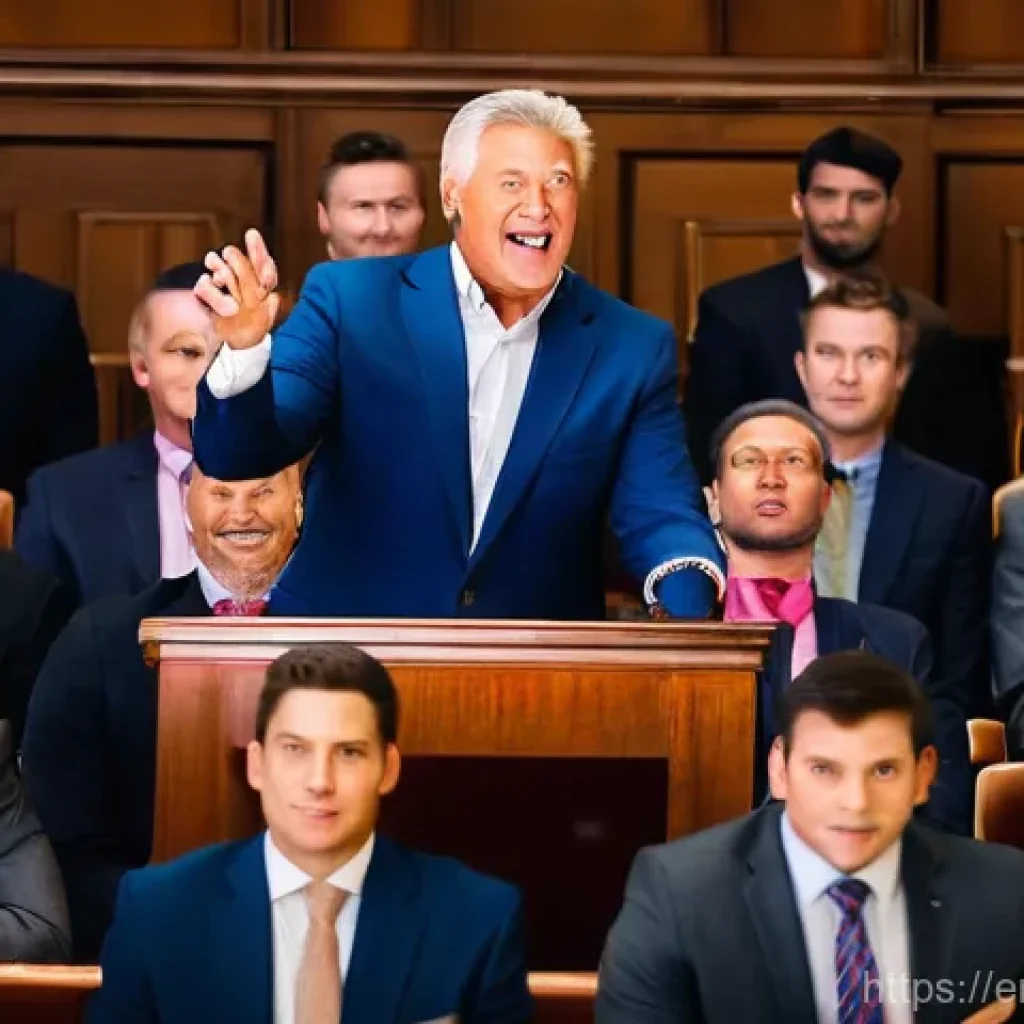
Ever watched an auctioneer in full flight, gaveling down bids with incredible speed and charm, and thought, “Wow, I could never do that!”? Or maybe, “That looks like a thrill, but where do I even begin?” I totally get it!
The world of auctions is captivating, a unique blend of performance, market savvy, and sharp business instincts. It’s more than just talking fast; it’s about connecting with people, understanding true value, and commanding a room – whether that room is packed with eager bidders or a global audience tuning in online.
This isn’t just a job; it’s an art form that demands dedication, a keen eye for detail, and a voice that can cut through the noise, especially as the industry embraces more digital platforms and virtual spaces.
If you’re dreaming of a career where every day brings a new challenge and a new treasure, you’re in for a wild, rewarding ride. Let’s peel back the curtain and find out exactly what it takes to kickstart your journey in this exhilarating profession!
Honing Your Craft: The Essential Skills Beyond the Chant

Mastering the Art of Bid Calling and Beyond
Let’s be real, when you think “auctioneer,” that rapid-fire chant is probably the first thing that springs to mind, right? It’s iconic! And believe me, it’s a skill that takes serious dedication to master.
I remember practicing tongue twisters and number drills for hours, feeling like my mouth was going to fall off, just to get that rhythm and clarity down.
But here’s the secret: it’s not just about speed; it’s about inflection, timing, and making sure every single word cuts through the noise so bidders know *exactly* where they stand.
It’s a performance, absolutely, but one rooted in clear communication. You’re guiding a conversation, building excitement, and pushing the price up, all while making it sound effortless.
Beyond the vocal gymnastics, an auctioneer needs a quick mind and strong organizational skills. You have to be able to think on your feet, adapt to unexpected turns, and quickly assess the crowd’s mood to know when to nudge and when to let things simmer.
I’ve learned that a good sense of humor doesn’t hurt either – a well-timed joke can ease tension and keep the energy flowing.
Reading the Room: Psychology and Persuasion
This is where the real magic happens, in my opinion. It’s not just about yelling numbers; it’s about understanding human psychology. You’re a keen observer, reading body language, picking up on subtle cues, and gauging interest levels in real-time.
I’ve had auctions where I could literally feel the competitive spirit radiating from certain bidders, and others where I knew I had to work harder to coax out those last few bids.
It’s an intuition you develop over time, but it’s rooted in active listening and empathetic engagement. You’re not just selling an item; you’re selling the *experience* of the auction, the thrill of the win.
Building rapport with the crowd is paramount; you want them to trust you, to feel comfortable bidding, and to genuinely enjoy the process. It’s a delicate dance of confidence and approachability, pushing for the best price for your seller without ever making a buyer feel pressured or intimidated.
Navigating the Regulatory Maze: Licensing and Legalities
Understanding State-Specific Requirements
Okay, let’s get down to the nitty-gritty, because this is super important. Before you even think about swinging that gavel, you absolutely need to understand the legal landscape.
The requirements to become an auctioneer vary *wildly* from state to state here in the US, and it’s something you simply cannot gloss over. Some states, like Virginia or Texas, require you to complete an approved auctioneering course, pass an exam, and obtain a surety bond.
Others, like California or Alaska, might not have a state-level auctioneer license requirement but mandate a bond or local permits. It can be a real headache trying to keep track, which is why doing your homework for *your specific area* is crucial.
I’ve seen aspiring auctioneers get tripped up by this, and it can set you back significantly. It’s not just about getting the license; it’s about ongoing compliance, annual renewals, and continuing education.
The Importance of Ethics and Trust
Beyond the paperwork, operating ethically is non-negotiable. An auctioneer acts as an agent for the seller, and your primary duty is to get the best possible price for them, acting in good faith.
This means transparency, honesty, and adhering to all the terms and conditions of the sale. There’s a recovery fund in some states, like Georgia, that exists precisely to protect consumers if an auctioneer acts unethically.
This reinforces why trust is at the core of our profession. Every auction I conduct, I strive to build that trust, not just with the seller, but with every person in the room.
When bidders feel confident in your integrity, they’re more likely to engage and bid freely. It’s not just good for business; it’s essential for the reputation of the entire industry.
Training Ground: Schools, Apprenticeships, and Associations
Formal Education and Hands-On Learning
You might be thinking, “Do I really need to go to school for this?” And while some states don’t strictly require formal qualifications, I can tell you from experience that specialized training makes a huge difference.
Auctioneer schools, like America’s Auction Academy or the Southeastern School of Auctioneering, offer comprehensive courses that cover everything from bid calling techniques and public speaking to ethics, law, and even business management.
They also teach you critical skills in sales, marketing, and business operations. I remember the real-world simulations at school were invaluable – it’s one thing to practice in your living room, and quite another to stand in front of a simulated crowd!
Many courses are around 80-85 hours of instruction, often required for licensing in several states. And honestly, the mentorship you get from seasoned professionals at these schools is priceless.
The Power of Mentorship and Professional Networks
Beyond the classroom, gaining practical experience is absolutely invaluable. Many of us start as “ringmen” or assistants, working alongside established auctioneers, taking bids, and handling details.
This hands-on exposure is where you truly learn the nuances of the trade, from managing bidders to understanding auction logistics. Networking within the industry is also huge.
I’ve met so many incredible people at state and national association events – folks who have shared advice, offered opportunities, and just generally provided a supportive community.
Organizations like the National Auctioneers Association (NAA) in the US or Propertymark in the UK offer incredible resources, professional development, and opportunities for certification, which can really boost your credibility.
It’s about building those relationships that can open doors and provide guidance throughout your career.
Specializing Your Niche: Finding Your Auction Sweet Spot
From Fine Art to Farm Equipment: Diverse Opportunities
One of the coolest things about auctioneering is the sheer variety of items you can specialize in. Seriously, it’s not all fine art and antiques, though those are definitely exciting!
You could be selling real estate, vehicles, farm equipment, livestock, jewelry, collectibles, or even exotic animals! I’ve known auctioneers who are absolute experts in vintage toys, others in high-end classic cars, and some who are the go-to for charity benefit auctions.
Choosing a niche isn’t just about what you find interesting; it’s about becoming an authority in that specific market. When you truly understand the value, history, and nuances of what you’re selling, your passion comes through, and that resonates with buyers.
This expertise allows you to provide accurate appraisals and set realistic expectations for sellers, which is a huge part of being trusted.
Leveraging Your Passions for Profit
I discovered my niche partly by accident, partly by passion. I had a background in a certain type of collectible, and when I started auctioneering, I naturally gravitated towards those items.
It wasn’t just a job; it was an extension of my hobby. This deep knowledge not only makes the work more enjoyable but also makes you incredibly valuable to sellers in that specific field.
You become a problem solver and a marketing expert for those particular goods. Think about it: if you’re selling agricultural land, having a background or a genuine interest in farming makes you infinitely more credible and effective.
Specialization helps you build a reputation, attract specific clients, and ultimately, can lead to more lucrative opportunities. It’s about finding where your unique skills and interests intersect with market demand.
The Digital Gavel: Embracing Online and Hybrid Auctions
The Rise of Virtual Bidding Platforms
If you’re thinking of becoming an auctioneer today, you absolutely cannot ignore the digital revolution. The landscape has shifted dramatically, with online and hybrid models becoming incredibly prominent.
Remember the days when auctions were solely crowded rooms, full of raised paddles? While those still exist and are fantastic, virtual bidding platforms have taken center stage.
These platforms have widened the potential buyer pool exponentially, breaking down geographical barriers and making auctions accessible from literally anywhere in the world.
I’ve personally seen how live-streamed auctions create real-time interaction and an engaging experience, almost mimicking the in-person thrill. It’s about leveraging technology to streamline the bidding process and reach a global audience.
AI, Mobile, and Beyond: Future-Proofing Your Career
The future is even more exciting. We’re seeing trends like the integration of Artificial Intelligence (AI) to personalize recommendations for bidders and even enhance bidding strategies.
AI can analyze bid patterns, predict optimal pricing, and even help detect fraudulent activities, which is a huge step for security and trust. Mobile accessibility is no longer a luxury but an essential; app-based bidding makes participation incredibly easy and provides real-time updates on the go.
I also hear whispers about augmented reality (AR) being used to provide lifelike previews of items, allowing bidders to inspect goods virtually. Embracing these tech tools isn’t just about staying current; it’s about future-proofing your career and offering unparalleled service to both buyers and sellers.
It’s about combining that classic auctioneer charm with cutting-edge innovation.
Building Your Business: Marketing and Client Relations
Cultivating a Professional Image and Brand
Becoming an auctioneer isn’t just about calling bids; it’s very much about building your own business and personal brand, especially if you’re an independent contractor like over 75% of auctioneers.
This means consciously crafting a professional image and developing a unique style that makes you stand out. You want to be known for integrity, effectiveness, and perhaps a touch of your own personality.
I learned early on that how you present yourself, both online and in person, is critical. This includes everything from your website and social media presence to how you interact with potential clients at networking events.
It’s about being visible, approachable, and memorable for all the right reasons. People remember how you make them feel, and that goes a long way in a competitive market.
The Art of Client Acquisition and Retention
Marketing and drumming up business are huge responsibilities. It’s not enough to be good at the gavel; you need to be good at finding sellers and attracting buyers.
This involves promoting auctions, researching items, and even setting starting prices. I’ve spent countless hours networking, making calls, and building relationships with real estate agents, estate managers, and even just community members who might need my services down the line.
It’s a long game, built on trust and consistent performance. After all, if you do a fantastic job for a seller, not only will they come back, but they’ll also refer you to everyone they know.
That word-of-mouth is gold! It’s about consistently providing advice on pricing strategies, being available, and making sure everyone involved feels informed and satisfied throughout the process.
The Financial Side: Understanding Earnings and Growth
Income Streams and Commission Structures
Let’s talk money, because it’s definitely a factor, right? Most auctioneers, especially those who work independently, earn their income through a daily fee or a percentage of sales.
This commission structure means your earnings are often directly tied to your performance and the value of the items you sell. The financial rewards can be substantial, with sales ranging from a few thousand dollars to hundreds of millions for high-value items.
Of course, that also means there’s an element of financial acumen involved – understanding appraisal values, market conditions, and how to maximize returns for your clients.
I remember my first big commission felt incredible, but it also reinforced the responsibility I had to both the seller and the buyer to ensure a fair and exciting transaction.
Investing in Your Future: Growth and Specialization
The auctioneering career path can be incredibly rewarding, both personally and financially. As you gain more experience, establish your reputation, and perhaps specialize in certain types of auctions, you can command higher fees and attract more high-end clients.
Continuous professional development is key to this growth. Staying updated with market trends, legal changes, and new technologies ensures you remain competitive and valuable.
I’ve seen many auctioneers branch out into related fields like appraisal or estate sale management, further diversifying their income. It’s an industry that rewards dedication and a commitment to lifelong learning.
The growth potential is truly significant for those who are passionate and willing to put in the work.
| Key Skill Area | Why It Matters for Auctioneers | How to Cultivate It |
|---|---|---|
| Communication & Charisma | Engages bidders, builds rapport, conveys information clearly, and drives competition. Essential for connecting with people and controlling the room. | Public speaking courses, practicing bid calling, observing experienced auctioneers, improv classes. |
| Market Knowledge & Valuation | Accurately appraises items, sets realistic expectations for sellers, and highlights value to buyers. Crucial for maximizing sale prices. | Specialized training, continuous research in chosen niches, mentorship from experts, industry publications. |
| Business Acumen & Ethics | Manages operations, handles legal/financial transactions, markets services, and maintains client trust. Ensures compliance and sustainable growth. | Business management courses, networking with legal/financial professionals, joining professional associations, mentorship. |
| Adaptability & Tech Savvy | Navigates fast-paced environments, embraces online platforms, and leverages new technologies like AI. Future-proofs career in an evolving industry. | Learning online auction software, attending tech workshops, experimenting with digital marketing, staying current with industry trends. |
Honing Your Craft: The Essential Skills Beyond the Chant
Mastering the Art of Bid Calling and Beyond
Let’s be real, when you think “auctioneer,” that rapid-fire chant is probably the first thing that springs to mind, right? It’s iconic! And believe me, it’s a skill that takes serious dedication to master.
I remember practicing tongue twisters and number drills for hours, feeling like my mouth was going to fall off, just to get that rhythm and clarity down.
But here’s the secret: it’s not just about speed; it’s about inflection, timing, and making sure every single word cuts through the noise so bidders know *exactly* where they stand.
It’s a performance, absolutely, but one rooted in clear communication. You’re guiding a conversation, building excitement, and pushing the price up, all while making it sound effortless.
Beyond the vocal gymnastics, an auctioneer needs a quick mind and strong organizational skills. You have to be able to think on your feet, adapt to unexpected turns, and quickly assess the crowd’s mood to know when to nudge and when to let things simmer.
I’ve learned that a good sense of humor doesn’t hurt either – a well-timed joke can ease tension and keep the energy flowing.
Reading the Room: Psychology and Persuasion

This is where the real magic happens, in my opinion. It’s not just about yelling numbers; it’s about understanding human psychology. You’re a keen observer, reading body language, picking up on subtle cues, and gauging interest levels in real-time.
I’ve had auctions where I could literally feel the competitive spirit radiating from certain bidders, and others where I knew I had to work harder to coax out those last few bids.
It’s an intuition you develop over time, but it’s rooted in active listening and empathetic engagement. You’re not just selling an item; you’re selling the *experience* of the auction, the thrill of the win.
Building rapport with the crowd is paramount; you want them to trust you, to feel comfortable bidding, and to genuinely enjoy the process. It’s a delicate dance of confidence and approachability, pushing for the best price for your seller without ever making a buyer feel pressured or intimidated.
Navigating the Regulatory Maze: Licensing and Legalities
Understanding State-Specific Requirements
Okay, let’s get down to the nitty-gritty, because this is super important. Before you even think about swinging that gavel, you absolutely need to understand the legal landscape.
The requirements to become an auctioneer vary *wildly* from state to state here in the US, and it’s something you simply cannot gloss over. Some states, like Virginia or Texas, require you to complete an approved auctioneering course, pass an exam, and obtain a surety bond.
Others, like California or Alaska, might not have a state-level auctioneer license requirement but mandate a bond or local permits. It can be a real headache trying to keep track, which is why doing your homework for *your specific area* is crucial.
I’ve seen aspiring auctioneers get tripped up by this, and it can set you back significantly. It’s not just about getting the license; it’s about ongoing compliance, annual renewals, and continuing education.
The Importance of Ethics and Trust
Beyond the paperwork, operating ethically is non-negotiable. An auctioneer acts as an agent for the seller, and your primary duty is to get the best possible price for them, acting in good faith.
This means transparency, honesty, and adhering to all the terms and conditions of the sale. There’s a recovery fund in some states, like Georgia, that exists precisely to protect consumers if an auctioneer acts unethically.
This reinforces why trust is at the core of our profession. Every auction I conduct, I strive to build that trust, not just with the seller, but with every person in the room.
When bidders feel confident in your integrity, they’re more likely to engage and bid freely. It’s not just good for business; it’s essential for the reputation of the entire industry.
Training Ground: Schools, Apprenticeships, and Associations
Formal Education and Hands-On Learning
You might be thinking, “Do I really need to go to school for this?” And while some states don’t strictly require formal qualifications, I can tell you from experience that specialized training makes a huge difference.
Auctioneer schools, like America’s Auction Academy or the Southeastern School of Auctioneering, offer comprehensive courses that cover everything from bid calling techniques and public speaking to ethics, law, and even business management.
They also teach you critical skills in sales, marketing, and business operations. I remember the real-world simulations at school were invaluable – it’s one thing to practice in your living room, and quite another to stand in front of a simulated crowd!
Many courses are around 80-85 hours of instruction, often required for licensing in several states. And honestly, the mentorship you get from seasoned professionals at these schools is priceless.
The Power of Mentorship and Professional Networks
Beyond the classroom, gaining practical experience is absolutely invaluable. Many of us start as “ringmen” or assistants, working alongside established auctioneers, taking bids, and handling details.
This hands-on exposure is where you truly learn the nuances of the trade, from managing bidders to understanding auction logistics. Networking within the industry is also huge.
I’ve met so many incredible people at state and national association events – folks who have shared advice, offered opportunities, and just generally provided a supportive community.
Organizations like the National Auctioneers Association (NAA) in the US or Propertymark in the UK offer incredible resources, professional development, and opportunities for certification, which can really boost your credibility.
It’s about building those relationships that can open doors and provide guidance throughout your career.
Specializing Your Niche: Finding Your Auction Sweet Spot
From Fine Art to Farm Equipment: Diverse Opportunities
One of the coolest things about auctioneering is the sheer variety of items you can specialize in. Seriously, it’s not all fine art and antiques, though those are definitely exciting!
You could be selling real estate, vehicles, farm equipment, livestock, jewelry, collectibles, or even exotic animals! I’ve known auctioneers who are absolute experts in vintage toys, others in high-end classic cars, and some who are the go-to for charity benefit auctions.
Choosing a niche isn’t just about what you find interesting; it’s about becoming an authority in that specific market. When you truly understand the value, history, and nuances of what you’re selling, your passion comes through, and that resonates with buyers.
This expertise allows you to provide accurate appraisals and set realistic expectations for sellers, which is a huge part of being trusted.
Leveraging Your Passions for Profit
I discovered my niche partly by accident, partly by passion. I had a background in a certain type of collectible, and when I started auctioneering, I naturally gravitated towards those items.
It wasn’t just a job; it was an extension of my hobby. This deep knowledge not only makes the work more enjoyable but also makes you incredibly valuable to sellers in that specific field.
You become a problem solver and a marketing expert for those particular goods. Think about it: if you’re selling agricultural land, having a background or a genuine interest in farming makes you infinitely more credible and effective.
Specialization helps you build a reputation, attract specific clients, and ultimately, can lead to more lucrative opportunities. It’s about finding where your unique skills and interests intersect with market demand.
The Digital Gavel: Embracing Online and Hybrid Auctions
The Rise of Virtual Bidding Platforms
If you’re thinking of becoming an auctioneer today, you absolutely cannot ignore the digital revolution. The landscape has shifted dramatically, with online and hybrid models becoming incredibly prominent.
Remember the days when auctions were solely crowded rooms, full of raised paddles? While those still exist and are fantastic, virtual bidding platforms have taken center stage.
These platforms have widened the potential buyer pool exponentially, breaking down geographical barriers and making auctions accessible from literally anywhere in the world.
I’ve personally seen how live-streamed auctions create real-time interaction and an engaging experience, almost mimicking the in-person thrill. It’s about leveraging technology to streamline the bidding process and reach a global audience.
AI, Mobile, and Beyond: Future-Proofing Your Career
The future is even more exciting. We’re seeing trends like the integration of Artificial Intelligence (AI) to personalize recommendations for bidders and even enhance bidding strategies.
AI can analyze bid patterns, predict optimal pricing, and even help detect fraudulent activities, which is a huge step for security and trust. Mobile accessibility is no longer a luxury but an essential; app-based bidding makes participation incredibly easy and provides real-time updates on the go.
I also hear whispers about augmented reality (AR) being used to provide lifelike previews of items, allowing bidders to inspect goods virtually. Embracing these tech tools isn’t just about staying current; it’s about future-proofing your career and offering unparalleled service to both buyers and sellers.
It’s about combining that classic auctioneer charm with cutting-edge innovation.
Building Your Business: Marketing and Client Relations
Cultivating a Professional Image and Brand
Becoming an auctioneer isn’t just about calling bids; it’s very much about building your own business and personal brand, especially if you’re an independent contractor like over 75% of auctioneers.
This means consciously crafting a professional image and developing a unique style that makes you stand out. You want to be known for integrity, effectiveness, and perhaps a touch of your own personality.
I learned early on that how you present yourself, both online and in person, is critical. This includes everything from your website and social media presence to how you interact with potential clients at networking events.
It’s about being visible, approachable, and memorable for all the right reasons. People remember how you make them feel, and that goes a long way in a competitive market.
The Art of Client Acquisition and Retention
Marketing and drumming up business are huge responsibilities. It’s not enough to be good at the gavel; you need to be good at finding sellers and attracting buyers.
This involves promoting auctions, researching items, and even setting starting prices. I’ve spent countless hours networking, making calls, and building relationships with real estate agents, estate managers, and even just community members who might need my services down the line.
It’s a long game, built on trust and consistent performance. After all, if you do a fantastic job for a seller, not only will they come back, but they’ll also refer you to everyone they know.
That word-of-mouth is gold! It’s about consistently providing advice on pricing strategies, being available, and making sure everyone involved feels informed and satisfied throughout the process.
The Financial Side: Understanding Earnings and Growth
Income Streams and Commission Structures
Let’s talk money, because it’s definitely a factor, right? Most auctioneers, especially those who work independently, earn their income through a daily fee or a percentage of sales.
This commission structure means your earnings are often directly tied to your performance and the value of the items you sell. The financial rewards can be substantial, with sales ranging from a few thousand dollars to hundreds of millions for high-value items.
Of course, that also means there’s an element of financial acumen involved – understanding appraisal values, market conditions, and how to maximize returns for your clients.
I remember my first big commission felt incredible, but it also reinforced the responsibility I had to both the seller and the buyer to ensure a fair and exciting transaction.
Investing in Your Future: Growth and Specialization
The auctioneering career path can be incredibly rewarding, both personally and financially. As you gain more experience, establish your reputation, and perhaps specialize in certain types of auctions, you can command higher fees and attract more high-end clients.
Continuous professional development is key to this growth. Staying updated with market trends, legal changes, and new technologies ensures you remain competitive and valuable.
I’ve seen many auctioneers branch out into related fields like appraisal or estate sale management, further diversifying their income. It’s an industry that rewards dedication and a commitment to lifelong learning.
The growth potential is truly significant for those who are passionate and willing to put in the work.
| Key Skill Area | Why It Matters for Auctioneers | How to Cultivate It |
|---|---|---|
| Communication & Charisma | Engages bidders, builds rapport, conveys information clearly, and drives competition. Essential for connecting with people and controlling the room. | Public speaking courses, practicing bid calling, observing experienced auctioneers, improv classes. |
| Market Knowledge & Valuation | Accurately appraises items, sets realistic expectations for sellers, and highlights value to buyers. Crucial for maximizing sale prices. | Specialized training, continuous research in chosen niches, mentorship from experts, industry publications. |
| Business Acumen & Ethics | Manages operations, handles legal/financial transactions, markets services, and maintains client trust. Ensures compliance and sustainable growth. | Business management courses, networking with legal/financial professionals, joining professional associations, mentorship. |
| Adaptability & Tech Savvy | Navigates fast-paced environments, embraces online platforms, and leverages new technologies like AI. Future-proofs career in an evolving industry. | Learning online auction software, attending tech workshops, experimenting with digital marketing, staying current with industry trends. |
Closing Thoughts
Becoming a successful auctioneer is truly an adventure that blends tradition with innovation, requiring a unique mix of skill, psychology, and business savvy.
It’s a dynamic field where your passion can truly translate into a rewarding career, connecting people with items they love. Embrace the journey, keep learning, and remember that building trust is the ultimate gavel in your hands.
Useful Information to Know
1.
Always prioritize continuous learning and adaptation. The auction world is constantly evolving, especially with technology. Staying updated on market trends, legal changes, and new online platforms is crucial for maintaining your edge and offering top-tier service to both sellers and buyers.
2.
Never underestimate the power of networking and mentorship. Building relationships with seasoned auctioneers and joining professional associations like the NAA can open doors to invaluable advice, practical experience through assisting at auctions, and potential job opportunities that you might not find otherwise. These connections are gold.
3.
Thoroughly research and understand state-specific licensing requirements *before* you dive in. Regulations vary significantly, and overlooking a crucial detail like needing a specific course or a surety bond can derail your progress. A little upfront research saves a lot of headaches later on.
4.
Embrace and master online and hybrid auction technologies. The digital shift isn’t just a trend; it’s the future. Familiarizing yourself with virtual bidding platforms, live streaming, and even considering how AI might enhance your operations will expand your reach and make you a more competitive and versatile professional.
5.
Find your niche and lean into it. Whether it’s fine art, real estate, farm equipment, or collectibles, specializing allows you to become a true expert and authority in that market. This deep knowledge not only makes your work more enjoyable but also builds trust with sellers and attracts the right buyers, often leading to more lucrative outcomes.
Key Takeaways
The path to becoming a thriving auctioneer extends far beyond the mesmerizing bid chant. It fundamentally requires a robust understanding of human psychology, keen business acumen, and an unwavering commitment to ethical practices.
You’ll find that building genuine rapport and maintaining transparency are just as critical as your vocal dexterity, laying the foundation for long-term success and trust within the community.
Furthermore, the modern auction landscape demands adaptability, particularly in embracing digital platforms and emerging technologies like AI to broaden your audience and streamline operations.
Specializing in a particular category can significantly boost your credibility and market value, allowing your unique expertise to truly shine. Ultimately, dedication to continuous learning, active networking, and a passion for connecting people with value are the cornerstones of a truly impactful and financially rewarding career in auctioneering.
Frequently Asked Questions (FAQ) 📖
Q: So, I’m intrigued by the idea of becoming an auctioneer – it sounds like such a dynamic field! But what are the absolute must-have skills that separate a good auctioneer from a truly great one?
A: Oh, that’s a fantastic question, and one I hear a lot! When I first started diving into the auction world, I honestly thought it was all about how fast you could talk.
Boy, was I wrong! While a clear, strong voice and good cadence are definitely key, what really makes an auctioneer shine goes so much deeper. From what I’ve personally observed and experienced, it’s a brilliant blend of charisma, keen market intelligence, and an almost intuitive ability to read a room – or, these days, a digital chat.
Think about it: an exceptional auctioneer isn’t just reciting bids; they’re telling a story, building excitement, and creating a genuine connection with everyone.
I’ve seen some maestros who can make a simple piece of furniture feel like a hidden treasure, just through their enthusiasm and vivid descriptions. You need that quick wit to engage bidders, that deep understanding of value to guide them, and the confidence to command attention.
It’s a high-energy performance mixed with serious business savvy. Mastering the art of persuasion without being pushy, that’s a real talent, and it makes all the difference in maximizing those final hammer prices.
It’s like a superpower, honestly!
Q: This sounds like an amazing career path, but honestly, it feels a bit daunting. How do I even begin to get started in such a unique profession?
A: re there schools, or is it more like an apprenticeship? A2: I totally get that feeling! It’s like looking at a beautifully complex mechanism and wondering where to even put your first finger.
Good news is, it’s far less mysterious than it seems, and there are very clear paths to follow. From my own research and chatting with folks who’ve been in the game for decades, a formal education is often the springboard.
There are dedicated auctioneering schools, especially here in the U.S., that offer intensive programs. They teach you everything from bid calling techniques and legal aspects to marketing and appraisal.
It’s truly comprehensive! Beyond the classroom, though, the real-world experience is priceless. Many successful auctioneers started out by finding a mentor or working as an apprentice at an established auction house.
This hands-on experience is where you truly learn the ropes – the rhythm of a sale, managing paperwork, client relations, and even the subtle art of setting up a display.
Don’t be shy about attending local auctions, talking to the auctioneers, and expressing your interest. You’d be surprised how many are happy to share their journey.
I always say, the best learning happens when you’re immersed in the environment! It’s a journey, not a sprint, and every step offers invaluable insights.
Q: With so much happening online these days, especially with virtual events, are traditional, live auctioneers still relevant? Or is the whole industry just shifting to automated online bidding platforms?
A: That’s a super timely question, and one that I’ve been pondering quite a bit myself as I watch the industry evolve. It’s true, the digital wave has absolutely transformed how auctions operate, opening them up to a global audience like never before.
Online bidding platforms are fantastic for reach and convenience, and they’re definitely here to stay. However, to say that traditional, live auctioneers are becoming obsolete?
Absolutely not! From what I’ve observed and heard, it’s more of an evolution than a replacement. Think of it this way: technology expands the stage, but the human touch still owns the spotlight.
A skilled auctioneer brings an energy, an engagement, and a crucial element of human connection that an algorithm simply can’t replicate. Even in purely online auctions, a live webcast with a charismatic auctioneer at the helm significantly boosts engagement and often, final sale prices.
They can build rapport, create a sense of urgency, and make an emotional connection with bidders, whether they’re in the room or watching from across the globe.
It’s that performance aspect, that ability to tell the story of an item and read the virtual “room,” that continues to make a huge difference. So, yes, the methods are changing, but the enduring value of a great auctioneer’s presence and expertise remains absolutely vital.
It’s a really exciting time to be in the field, blending tradition with cutting-edge tech!