In today’s fast-paced gig economy, breaking into auctioneering without a formal license might sound like a challenge—but it’s more doable than you think.
With auctions booming online and in-person, savvy individuals are finding creative ways to jumpstart their careers while sidestepping traditional hurdles.
Whether you’re drawn to estate sales, collectibles, or real estate auctions, learning the ropes without a license can open unexpected doors. Stick around as we explore practical steps and insider tips to help you build a thriving auctioneering career faster than you imagined.
If you’re ready to dive in and seize this unique opportunity, this guide is just for you.
Exploring Auction Niches That Don’t Require a License
Estate and Garage Sales: A Ground-Level Start
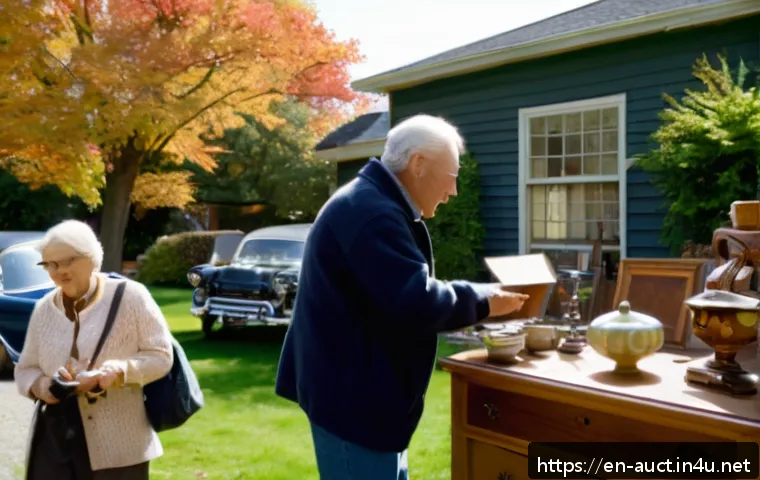
Diving into estate and garage sales is often the smoothest way to get your feet wet in auctioneering without needing a license. These sales are usually informal, community-driven, and present a treasure trove of items ranging from vintage furniture to collectibles.
What I’ve noticed from talking to folks in this space is that building relationships with estate sale companies or families looking to downsize can quickly lead to repeat gigs.
Since these are less regulated than formal auctions, you get to learn how to appraise items on the spot, handle negotiations, and manage crowds—all essential auctioneer skills.
Plus, it’s a fantastic way to develop your personal style and reputation without the overhead of formal training or fees.
Online Auctions: Leveraging Digital Platforms
The online auction world is booming, and the best part is that many platforms don’t require you to have a license to start selling. Sites like eBay, LiveAuctioneers, or Invaluable offer spaces for individuals to list and auction off items ranging from art to electronics.
My experience trying this out revealed that mastering the art of compelling listings and understanding bidding psychology is just as important as calling out bids live.
Moreover, these platforms provide analytics and user feedback, which help you refine your approach without the pressure of a physical crowd. You can build a following, gain credibility, and even branch into niche markets like rare coins or sneakers with minimal upfront costs.
Collaborating with Licensed Auctioneers
Another clever way to break into the auction scene without a license is partnering with licensed auctioneers. Many professionals welcome assistants or co-hosts who bring fresh energy and marketing savvy, especially in larger or specialty auctions.
From my chats with industry insiders, these partnerships often start informally—helping with cataloging, marketing, or even running side auctions—and evolve into mentorships.
This route not only lets you observe licensed auctioneers in action but also gives you hands-on experience and credibility by association. It’s like learning the ropes backstage before stepping into the spotlight.
Mastering Essential Skills Outside the Classroom
Perfecting Your Public Speaking and Crowd Control
Auctioneering is as much about performance as it is about salesmanship. Without a license, honing your vocal clarity, pace, and crowd engagement becomes your secret weapon.
I found that practicing in front of friends or recording yourself can make a huge difference. Watching those videos, you notice little quirks—like speaking too fast or not projecting enough—that can be ironed out.
Also, learning how to read a crowd’s mood and adjust your tone or speed is key. For example, if bidders seem hesitant, slowing down and throwing in some humor or encouragement can boost participation.
These soft skills often separate good auctioneers from unforgettable ones.
Item Valuation and Market Research
Knowing what you’re selling inside and out is crucial when you don’t have a license backing you up. I personally spent hours researching trends, prices, and item histories online to build confidence.
Tools like WorthPoint or even Google Trends can give you insights into what buyers are currently chasing. When you can speak knowledgeably about an item’s provenance or rarity, it builds trust with bidders and sellers alike.
Plus, it helps set realistic starting bids and reserve prices, which can make or break a sale’s success. Constant learning here is a game-changer, especially when dealing with collectibles or antiques.
Building a Network in the Auction Community
Relationships are the currency in auctioneering, especially when you’re starting without formal credentials. Attending local auctions, trade shows, or online forums can connect you with sellers, buyers, and fellow auctioneers.
From my own journey, showing genuine interest and offering help—like volunteering at charity auctions or assisting with marketing—can open doors fast.
People remember those who are reliable and enthusiastic. Over time, this network not only brings you opportunities but also access to insider tips and emerging trends.
Think of it as your auctioneer’s tribe that supports and grows with you.
Tools and Tech That Boost Your Auction Game
Using Auction Software to Streamline Operations
Even without a license, leveraging auction software can make your process professional and efficient. Programs like AuctionFlex or BidJS help you manage bidder registrations, track bids, and handle payments seamlessly.
When I started experimenting with these tools, I was amazed at how much less stressful auctions became. Instead of juggling paper or manual bids, the software keeps everything organized and transparent.
This also reassures sellers and buyers that their transactions are secure and well-documented, which is crucial for repeat business.
Social Media and Marketing Automation
In today’s world, getting the word out is half the battle. Social media platforms like Instagram, Facebook, and TikTok offer fantastic channels to showcase upcoming auctions and highlight exciting items.
I’ve personally seen how well-crafted posts and stories with behind-the-scenes footage can create buzz and attract new bidders. Combining this with email marketing tools or chatbots can automate reminders and answer common questions, freeing you up to focus on the auction itself.
The key is to be consistent and authentic—people love seeing the personality behind the auctioneer.
Live Streaming Auctions for Wider Reach
Live streaming has revolutionized auctions by breaking geographical barriers. Platforms like Zoom, YouTube Live, or specialized auction apps allow you to reach bidders worldwide.
When I tried live streaming, the immediate feedback and interaction made the experience more dynamic and engaging. Plus, it’s easier to track participation and even integrate real-time bidding.
This tech-savvy approach not only expands your audience but also opens up new revenue streams, such as virtual entry fees or premium bidder memberships.
Legal and Ethical Considerations to Keep in Mind
Understanding Local Regulations and Exemptions
Even without a formal license, it’s critical to know your local laws regarding auctions. In many states or regions, certain types of auctions—like estate sales or online-only events—may be exempt from licensing requirements.
I found it helpful to check government websites or consult with local auction associations to clarify these rules. Ignorance here can lead to hefty fines or legal trouble, so doing your homework upfront is non-negotiable.
Staying compliant not only protects you but also builds your reputation as a trustworthy auctioneer.
Maintaining Transparency with Sellers and Buyers
Ethics play a huge role in sustaining a career in auctioneering. Being upfront about fees, item conditions, and bidding procedures builds confidence. From my experience, clear communication can prevent misunderstandings that often escalate into disputes.
It’s also important to disclose any conflicts of interest or affiliations. Transparency isn’t just good practice—it’s a cornerstone of long-term success and client retention.
Handling Payments and Financial Records
Managing money carefully is another area where professionalism shines through. Even if you’re not licensed, setting up secure payment methods and keeping detailed records is essential.
I recommend using trusted payment processors and issuing receipts promptly. This not only helps with tax reporting but also reassures sellers and buyers that their transactions are handled responsibly.
Over time, this level of diligence can distinguish you in a crowded market.
Crafting a Personal Brand That Attracts Clients
Developing a Unique Auctioneer Persona
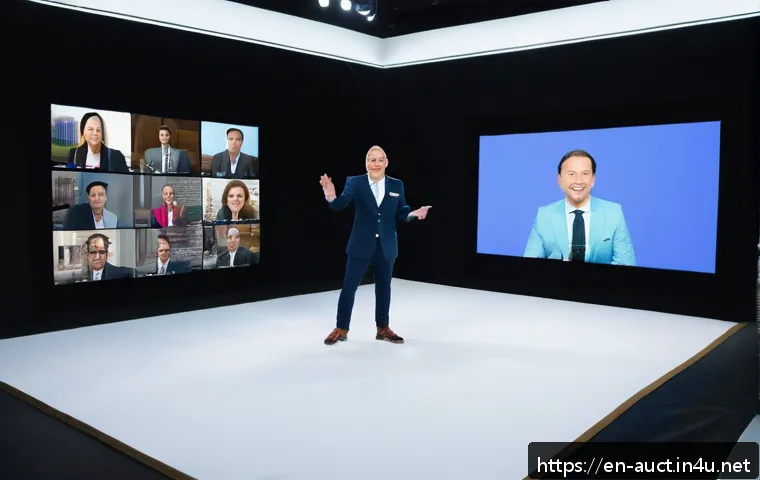
Your personality is your brand in auctioneering. Whether you lean toward high-energy calls or a more conversational style, owning your approach helps you stand out.
I found that experimenting with different tones and pacing during smaller gigs helped me discover what felt most natural and connected best with bidders.
Your persona should reflect your strengths and the audience you want to attract, creating a memorable experience that keeps people coming back.
Creating a Professional Online Presence
A polished website or portfolio showcasing your auction highlights, testimonials, and upcoming events can be a powerful magnet for new clients. From my own trial and error, having a clean, easy-to-navigate site that loads quickly on mobile devices makes a big difference.
Including video clips of your auctions and client reviews adds social proof. Don’t forget to optimize your site for search engines to boost visibility—simple SEO tweaks can dramatically increase traffic.
Networking Through Content and Community Engagement
Publishing blog posts, videos, or podcasts about auction tips, industry news, or item spotlights positions you as an authority. I noticed that sharing personal stories and lessons learned resonates well with both beginners and seasoned bidders.
Engaging actively in online communities—whether on Reddit, Facebook groups, or auction forums—also builds your credibility and exposes you to potential clients.
Content marketing is a long game, but the trust it builds pays dividends.
| Strategy | Benefits | Potential Challenges |
|---|---|---|
| Estate and Garage Sales | Hands-on experience, low entry barriers, community networking | Limited scale, informal settings, variable income |
| Online Auctions | Wide reach, low overhead, data-driven insights | High competition, tech learning curve, limited personal interaction |
| Partnering with Licensed Auctioneers | Mentorship, credibility boost, hands-on learning | Dependent on others, less control initially |
| Mastering Auction Skills Independently | Flexible learning, personalized style development | Requires discipline, slower recognition |
| Using Technology and Marketing | Efficiency, wider audience, professional image | Initial setup effort, ongoing maintenance |
| Focusing on Legal and Ethical Compliance | Trust building, risk avoidance, long-term sustainability | Research needed, potential complexity |
| Building Personal Brand | Client loyalty, market differentiation, authority | Time investment, consistency required |
Monetizing Your Auction Skills Without a License
Offering Auction Consulting and Advisory Services
If you’ve developed a solid understanding of auction mechanics and item valuation, consulting can be a lucrative sideline. Many sellers want advice on how to prepare items, set reserves, or market their auctions but don’t necessarily need a licensed auctioneer to run the sale.
I’ve seen people package these services in easy-to-understand tiers, making it accessible for casual sellers or small businesses. This approach lets you monetize your expertise while building a client base that could eventually transition into full auctioneering.
Hosting Virtual Bidding Events
Virtual bidding parties or themed online sales are gaining traction as a fun way to engage niche audiences. Without a license, you can organize these events using social media or auction platforms, charging entry fees or commissions on sales.
From personal experience, adding interactive elements like live commentary, guest appearances, or giveaways keeps bidders hooked and boosts participation.
It’s a flexible model that also lets you test different auction formats and markets.
Affiliate Marketing and Sponsorships
Once you’ve built an online presence and audience, affiliate marketing can supplement your income. Partnering with auction software providers, appraisal services, or collectible dealers allows you to earn commissions by recommending tools or products you genuinely use and trust.
I’ve found that transparency about these partnerships maintains audience trust and even enhances your credibility when you share honest reviews. Sponsorships for your live streams or events are another revenue stream, especially if your brand grows strong enough to attract businesses looking to target auction enthusiasts.
Continuing Education and Growth Opportunities
Attending Workshops and Industry Conferences
Even without formal licensing, staying updated through workshops and conferences is invaluable. These events offer insights into market trends, new technologies, and legal updates.
I once attended a regional auction expo that completely changed how I approached item cataloging and bidder engagement. The networking opportunities alone are worth the investment, as you meet potential mentors, partners, and clients face-to-face.
Learning From Auctioneer Associations and Online Communities
Many auctioneer associations welcome non-licensed members or offer resources that can help you learn the trade. Participating in online forums or social media groups dedicated to auctioneering can expose you to real-world advice and success stories.
I often turn to these communities when I hit a snag or want fresh ideas. The peer support can be incredibly motivating and practical for growing your career.
Setting Goals and Tracking Your Progress
Finally, establishing clear milestones helps maintain momentum and measure success. Whether it’s landing your first paid auction, growing your bidder list, or mastering a new software tool, tracking progress keeps you focused.
I use simple spreadsheets and calendar reminders to stay accountable. Celebrating small wins fuels motivation and keeps the journey enjoyable rather than overwhelming.
Creating Lasting Client Relationships That Drive Referrals
Providing Exceptional Customer Service
Going the extra mile for clients—like providing detailed post-auction reports or personalized follow-ups—turns one-time customers into loyal advocates.
I’ve noticed that clients appreciate when you anticipate their questions and communicate proactively, which often leads to word-of-mouth referrals. Treating every auction like a partnership rather than a transaction builds trust and sets you apart in a crowded field.
Offering Customized Auction Experiences
Tailoring your auction style or services to fit specific client needs can enhance satisfaction and repeat business. For instance, some sellers prefer a relaxed pace with detailed item histories, while others want fast, high-energy sales.
I’ve found that asking the right questions upfront and being flexible with your approach makes a huge difference. Customization signals professionalism and respect for the client’s goals.
Leveraging Testimonials and Case Studies
Gathering and showcasing positive feedback creates social proof that attracts new clients. I make it a habit to request testimonials right after a successful auction while the experience is fresh.
Highlighting these stories on your website or social media builds credibility and reassures potential clients. Case studies that detail challenges and solutions also demonstrate your expertise and problem-solving skills effectively.
Conclusion
Exploring auction opportunities without a license opens a world of possibilities for beginners and seasoned enthusiasts alike. By focusing on practical experience, leveraging technology, and building strong relationships, you can carve out a successful niche in this dynamic field. Remember, patience and continuous learning are key to long-term growth and credibility. Whether you choose estate sales, online auctions, or partnerships, the auction world welcomes your unique approach and dedication.
Useful Information to Keep in Mind
1. Research local laws carefully to understand which auction activities require licenses and which are exempt.
2. Build your skills through hands-on experience and by practicing public speaking and crowd engagement regularly.
3. Utilize online platforms and software tools to streamline auction processes and expand your audience reach.
4. Focus on ethical transparency and clear communication to foster trust with both sellers and buyers.
5. Develop a personal brand and maintain an active presence in auction communities to attract clients and referrals.
Key Takeaways for Success
Entering the auction business without a license demands dedication to mastering essential skills and adhering to local regulations. Prioritize building genuine relationships, maintaining professionalism in payment handling, and leveraging digital marketing to broaden your impact. Embracing continuous education and adapting to new technologies will position you for sustained growth. Ultimately, your reputation and client satisfaction will be the foundation of a thriving auction career without formal licensing.
Frequently Asked Questions (FAQ) 📖
Q: Can I legally work as an auctioneer without a license?
A: In many states and regions, you can participate in auctioneering activities without holding a formal license, especially if you work under a licensed auctioneer or focus on certain types of auctions like online or estate sales.
However, laws vary significantly depending on your location, so it’s crucial to research your local regulations. Starting as an apprentice or assistant can be a great way to gain hands-on experience without immediately needing a license.
Q: How can I gain auctioneering skills without formal training or licensing?
A: You can build auctioneering skills by volunteering at local auctions, attending workshops, and practicing your chant and bid calling with friends or small community events.
Watching experienced auctioneers and studying their techniques online can also be incredibly helpful. Many successful auctioneers started by learning on the job, developing confidence and style before pursuing any formal credentials.
Q: What types of auctions are best to start with if I don’t have a license?
A: Estate sales, online auctions, and consignment auctions are often the most accessible starting points without a license. These formats typically have fewer regulatory hurdles and allow you to build a client base and reputation.
Real estate auctions might require specific licensing, so it’s wise to begin with less restricted auction types and gradually expand your expertise and credentials over time.