Navigating the Master Auction Exam can feel like a daunting challenge, especially with the ever-evolving market trends and exam formats. Lately, many aspiring auctioneers have been seeking smarter ways to retain crucial information without burning out.

If you’ve ever found yourself overwhelmed by endless study materials, you’re not alone. Luckily, memory hacks tailored specifically for this exam can make a significant difference in your confidence and scores.
In this post, I’ll share practical techniques that have genuinely helped candidates boost their retention and pass with flying colors. Stick around—these tips might just transform the way you prepare for the Master Auction Exam.
Crafting Mental Anchors for Complex Auction Concepts
Utilizing Visualization to Enhance Recall
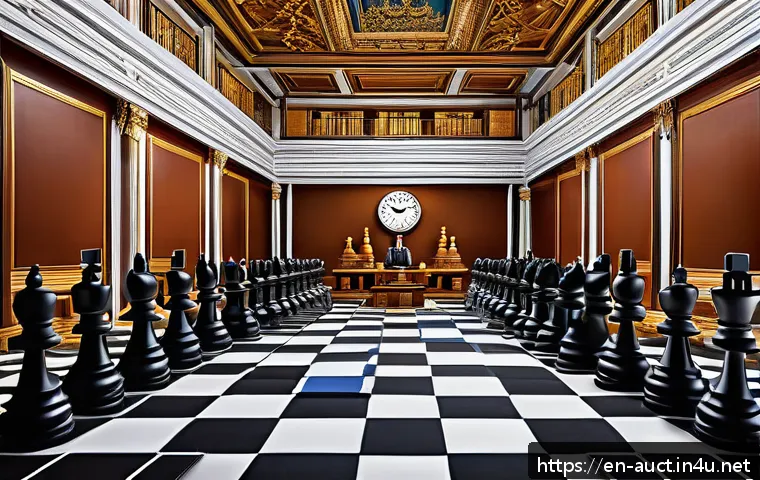
When you face dense auction regulations or intricate bidding procedures, turning abstract rules into vivid mental images can be a game changer. For instance, imagine the auction room as a chessboard where each bidder is a piece moving strategically.
I found that picturing the flow of the auction as a story, with characters and actions, helped me retain rules that otherwise felt lifeless on paper. This approach activates different parts of your brain, making it easier to retrieve detailed information during the exam.
Visual cues stick better because they engage your imagination, and when you revisit these images, the facts come flooding back effortlessly. This method proved especially useful for remembering the sequence of auction steps and key legal points.
Linking New Information to Personal Experiences
Connecting auction concepts to your own life or previous experiences creates a natural anchor in your memory. When I studied various types of auctions, I related them to familiar scenarios, like yard sales or online bidding platforms I’d used.
This personalized approach transforms dry facts into relatable stories. For example, associating the “reserve price” concept with the price you wouldn’t go below when selling your old bike made it stick much better.
These mental links make recall smoother because they’re tied to emotions and real-world contexts, which are naturally easier for our brains to remember than isolated facts.
Chunking Information into Manageable Blocks
Breaking down overwhelming material into smaller, bite-sized chunks is essential to avoid burnout. Instead of trying to swallow the entire auction law at once, I divided the content into categories like “Types of Auctions,” “Legal Requirements,” and “Bidding Procedures.” Each chunk became a mini-goal, which made study sessions more focused and less intimidating.
I also grouped related terms and definitions to see patterns and connections, which improved comprehension. Over time, these chunks build a comprehensive mental map, so during the exam, you’re not scrambling through endless notes but navigating a well-organized structure.
Active Engagement Strategies That Actually Stick
Teaching the Material to Someone Else
One of the most powerful methods I discovered was explaining auction concepts to a friend or even just out loud to myself. Teaching forces you to organize your thoughts clearly and highlights areas where your understanding is shaky.
When I rehearsed auction scenarios verbally, it felt like prepping for a live auction, which added a layer of practical application. This active engagement deepened my grasp and made it easier to recall details under pressure.
Plus, it breaks the monotony of passive reading, keeping motivation high.
Incorporating Practice Exams with Realistic Conditions
Simulating the test environment by taking timed practice exams was a game changer. I noticed that doing so not only tested my knowledge but also trained my brain to retrieve information faster under stress.
Realistic practice helped me identify weak spots and adapt my study plan accordingly. I recommend mimicking the exam’s time constraints and conditions to build stamina and focus.
This strategy also reduces anxiety because you become familiar with the exam rhythm, turning an intimidating experience into a manageable challenge.
Using Flashcards with a Twist
Flashcards are a classic, but adding layers makes them far more effective. Instead of plain Q&A, I incorporated short scenarios or linked concepts on each card.
For example, a flashcard might present a bidding situation and ask for the correct legal response, rather than just a definition. This contextual approach forces you to apply knowledge rather than just memorize it.
Also, mixing in spaced repetition apps helped me review cards just before I was about to forget, which dramatically improved long-term retention.
Building a Consistent Routine Without Burning Out
Balancing Study Sessions with Breaks
Long hours of cramming can backfire, so I structured my study time with deliberate breaks to refresh my mind. Following techniques like the Pomodoro method—25 minutes of focused study followed by a 5-minute break—kept me energized and prevented mental fatigue.
During breaks, I stepped away from all screens and did light stretching or walked outside, which helped reset my focus. This rhythm made my study time more productive and enjoyable, proving that quality beats quantity when preparing for a demanding exam.
Setting Realistic Daily Goals
Instead of vague intentions like “study auction law all day,” I set specific, achievable goals such as “master the five types of auctions” or “review bidding procedures.” This clarity gave me a sense of accomplishment and kept me motivated.
Tracking progress visually, like marking off completed topics on a checklist, provided tangible proof that I was moving forward. This strategy helped me avoid procrastination and maintained steady momentum without feeling overwhelmed.
Incorporating Relaxation Techniques to Manage Stress
Exam preparation can be stressful, so I made it a point to include mindfulness and breathing exercises in my daily routine. Even five minutes of deep breathing helped calm pre-study nerves and improved concentration.
I also practiced visualization of success, imagining myself confidently answering exam questions, which boosted my confidence. These small mental health habits were crucial in keeping anxiety at bay and maintaining a positive mindset throughout the preparation period.
Leveraging Technology to Optimize Study Efficiency
Using Digital Note-Taking Tools for Organization
Switching from paper to apps like Notion or OneNote transformed how I organized auction content. These tools allowed me to create linked pages, embed images, and highlight key points easily.
I could search my notes instantly and rearrange sections on the fly, which saved tons of time. This flexibility meant I wasn’t wasting energy flipping through notebooks but could focus on learning.
Plus, syncing across devices let me study anytime, anywhere, turning idle moments into productive sessions.
Integrating Audio Resources for On-the-Go Learning
I found listening to auction-related podcasts and recorded lectures during commutes or workouts incredibly effective. Hearing explanations in different voices and contexts reinforced concepts passively.
This multitasking approach maximized my time and kept me immersed in the subject without feeling like extra study. It also helped me grasp nuances I might have missed in reading, making the learning process richer and more engaging.

Employing Spaced Repetition Software
Apps like Anki use spaced repetition algorithms that schedule flashcard reviews just before you forget, optimizing retention. I customized my decks to include auction laws, terminology, and example cases.
The app’s reminders nudged me to review consistently, preventing last-minute cramming. Over weeks, I noticed that information stuck more firmly, and recall became almost automatic during practice tests.
This tech-driven approach made a huge difference in consolidating my knowledge efficiently.
Decoding Auction Exam Patterns for Strategic Focus
Analyzing Past Exam Trends
Reviewing several years of previous auction exams revealed recurring themes and frequently tested topics. This insight allowed me to prioritize study areas that carried more weight.
For example, I noticed that questions on bidding ethics and legal obligations appeared consistently, so I devoted extra time mastering those. This targeted approach prevented wasted effort on rarely tested material and boosted my confidence by focusing on what mattered most.
Identifying Question Styles and Formats
Understanding whether the exam leaned more on multiple-choice, scenario-based questions, or essay formats helped tailor my preparation. I practiced answering in the exact style expected, which improved my speed and accuracy.
For scenario questions, I trained myself to break down problems methodically, ensuring I addressed all parts. This familiarity with question types eliminated surprises on exam day, making it easier to manage time and deliver precise answers.
Mapping Out High-Yield Content Areas
By cross-referencing exam content and study materials, I created a prioritized list of topics that had the highest likelihood of appearing. This strategic mapping helped me allocate study time wisely, focusing on critical auction laws, ethical standards, and procedural rules.
I revisited these high-yield areas multiple times, embedding them deeply in memory. This methodical focus turned my preparation from random coverage into a laser-targeted effort that paid off during the exam.
Maintaining Motivation Through Community and Support
Joining Study Groups for Shared Learning
Collaborating with fellow candidates gave me fresh perspectives and accountability. Study groups provided a platform to discuss tricky concepts, quiz each other, and share resources.
Explaining topics to peers reinforced my understanding, while hearing their insights filled gaps I hadn’t noticed. The camaraderie also made the process less isolating and more enjoyable, helping sustain motivation during challenging phases.
Seeking Mentorship from Experienced Auctioneers
Connecting with professionals who had already passed the Master Auction Exam offered invaluable guidance. Their practical tips, exam strategies, and encouragement grounded my preparation in reality.
Mentors helped me avoid common pitfalls and suggested efficient study paths based on their firsthand experience. This mentorship boosted my confidence, knowing I wasn’t navigating the journey alone.
Celebrating Small Wins to Boost Morale
Recognizing progress, no matter how small, kept my spirits high. After mastering a tough topic or acing a practice test, I rewarded myself with breaks or small treats.
These positive reinforcements created an upward spiral of motivation and made the grind feel worthwhile. Acknowledging incremental achievements turned what could have been a daunting process into a series of manageable and satisfying milestones.
| Memory Technique | Purpose | Practical Example | Benefit |
|---|---|---|---|
| Visualization | Enhance recall by creating vivid mental images | Imagining auction as a chess game with bidders as pieces | Improved retention of sequences and rules |
| Personal Experience Linking | Anchor new info to familiar contexts | Relating “reserve price” to selling personal items | Easier recall through emotional connection |
| Chunking | Divide complex info into manageable parts | Grouping auction laws into categories like “types” and “procedures” | Reduced overwhelm and better organization |
| Teaching Others | Solidify understanding by explaining aloud | Discussing bidding rules with a study partner | Revealed knowledge gaps and reinforced concepts |
| Spaced Repetition | Optimize long-term memory retention | Using apps like Anki for flashcard review | Improved recall and reduced cramming |
Conclusion
Mastering complex auction concepts requires more than just passive reading—it demands active engagement, strategic organization, and consistent practice. By using mental anchors like visualization and linking ideas to personal experiences, learning becomes more intuitive and memorable. Combining these methods with technology and community support sets a solid foundation for success. Remember, steady progress and smart study habits will make even the toughest material manageable.
Helpful Information
1. Break down difficult topics into smaller sections to avoid feeling overwhelmed and to improve focus.
2. Use real-life examples and personal stories to make abstract auction rules easier to understand and remember.
3. Practice teaching concepts aloud or to others to deepen your grasp and identify areas needing improvement.
4. Incorporate timed practice exams to build confidence and improve information retrieval under pressure.
5. Leverage digital tools like note-taking apps and spaced repetition software to organize and reinforce your study efficiently.
Key Takeaways
Consistent study routines that balance focus and breaks, combined with active learning strategies, enhance retention and reduce stress. Prioritizing high-yield topics based on exam patterns helps allocate effort wisely, while community engagement and mentorship provide motivation and practical insights. Ultimately, blending personalized techniques with technology-driven methods creates a powerful study system tailored for success in auction exams.
Frequently Asked Questions (FAQ) 📖
Q: uestions about Master
A: uction Exam Memory Hacks
Q: What are the most effective memory techniques specifically for the Master
A: uction Exam? A1: From my experience and feedback from successful candidates, combining spaced repetition with active recall works wonders. Instead of passively reading, try testing yourself on key auction terms and procedures regularly over days or weeks.
Creating visual mind maps of auction processes or using mnemonic devices to remember complex rules also helps cement information in your mind. The key is consistent, active engagement rather than cramming at the last minute.
Q: How can I avoid burnout while studying extensive materials for the exam?
A: Burnout is a real challenge, especially with the volume of material to cover. What helped me was breaking study sessions into manageable chunks—think 25 to 30 minutes focused study, followed by a 5-minute break.
Also, mixing up study formats keeps things fresh; for instance, watch auction demo videos, listen to podcasts, and join study groups rather than only reading textbooks.
Prioritizing sleep and physical activity can’t be overstated—they boost memory retention and reduce stress, making your study time far more efficient.
Q: Are there any quick tips to boost confidence before exam day?
A: Absolutely! One quick confidence booster is simulating exam conditions by timing yourself while answering practice questions. This not only gets you comfortable with the format but also reduces anxiety.
Another tip is to review your strongest topics last before the exam to end on a positive note. Finally, remind yourself of how far you’ve come—reflecting on your progress can calm nerves and boost your self-belief going into the Master Auction Exam.