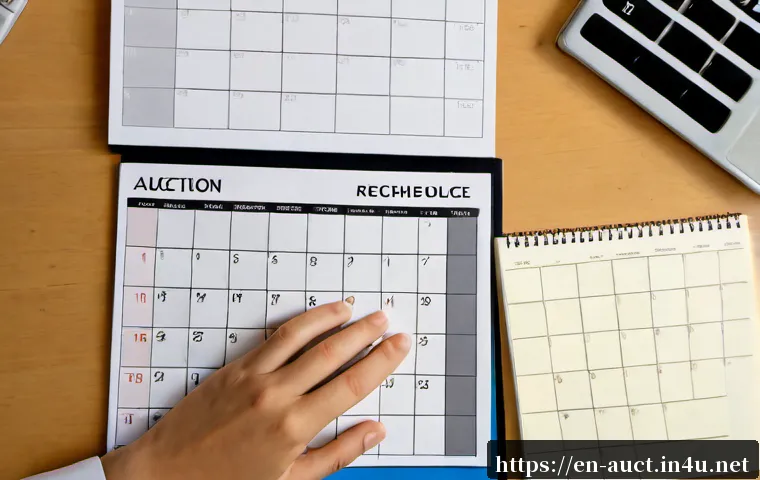
Start by confirming the auctioneer licensing pathway in your state or local jurisdiction, then build your study plan backward from the registration or exam deadline.
The right preparation method depends on whether you need flexible self-study, structured auction school training, online exam prep, or individual coaching.
A paid program can be useful when you need a fixed schedule, instructor feedback, or bid-calling practice, but it should be checked against local eligibility rules before you enroll.
Your plan should also include time for required documents, applications, possible sponsorship, and other administrative steps. Because auctioneer exam content and licensing rules vary, use the relevant licensing authority as your final source for exam topics, scoring, and renewal requirements.
Planning these details early helps you compare course tuition, study materials, travel needs, and application costs without making rushed decisions.
Quick Overview
- Verify local rules first: auctioneer licensing and examination requirements can vary by state or local jurisdiction.
- Plan backward from the deadline: include registration, documents, course completion, review sessions, and practice time.
- Choose support based on your needs: self-study offers flexibility, while auction school, online prep, and coaching can add structure and feedback.
| Preparation Route | Best For | Time and Flexibility | Support Level | Cost Factors to Compare |
|---|---|---|---|---|
| Self-study | Independent learners with a clear local exam outline | Highly flexible; requires self-managed study blocks | Low unless you add outside help | Study materials, practice questions, application and exam-related costs |
| Auction school | People who want structured training and live practice | Set class schedule; may involve travel | Higher; may include instructor-led practice | Tuition, materials, travel, lodging, and local eligibility fit |
| Online exam prep | Working candidates who need schedule flexibility | Usually easier to fit around work and family commitments | Varies by program and instructor access | Course fee, included materials, practice quizzes, coaching options |
| Private coaching | Candidates who need targeted feedback or confidence building | Flexible if appointments are available | High individual attention | Session format, feedback scope, travel or remote access, total sessions needed |
Build Your Plan Backward From the Licensing Deadline
The most practical auctioneer exam study plan begins with a confirmed deadline rather than a vague goal. Work backward from the exam date, registration cutoff, or licensing application deadline that applies in your jurisdiction. If an exact date is not available yet, use a provisional target and replace it once the licensing authority provides current information.
Confirm the Correct State or Local Licensing Pathway First
Before buying auctioneer study materials or comparing auction school tuition, find out which authority governs your intended work. Some jurisdictions may require pre-licensing education, an examination, an application, a fee, or sponsorship before licensing. You may also need to confirm whether a license applies to your planned auction type, employer, or location.
Write down the requirements you can verify: required education, exam details, application steps, document requirements, and renewal rules. Do not assume that a nearby state or an online discussion applies to your situation. A course that is useful for general training may not meet a local eligibility requirement.
Set an Exam Target Date and Registration Deadline
Put the target exam date at the end of your calendar. Then add earlier deadlines for registration, required coursework, document gathering, and final review. Treat the registration deadline as a separate milestone. Missing an administrative deadline can delay the entire licensing process even when your subject knowledge is strong.
Leave room for steps that may apply locally, such as an application, background check, fingerprints, or sponsorship. The exact requirements must be confirmed with the relevant authority, but your calendar should not leave paperwork until the final days.
Turn the Remaining Weeks Into Manageable Study Milestones
Divide the time before your target date into simple phases: learn the material, practice regularly, identify weak areas, and complete final review. Each week should have a narrow purpose. For example, one block can focus on terminology and auction law basics, while another focuses on business knowledge or ethics if those topics are relevant to your pathway.
A useful weekly plan includes one knowledge goal, one performance goal, and one administrative check. This keeps exam preparation from becoming only reading or only bid-calling practice.
Choose the Preparation Method That Matches Your Budget and Learning Style
The best preparation route is not automatically the most expensive one. Choose based on the local requirements you have verified, your available time, your confidence with independent learning, and the type of feedback you need. Compare the total cost, not simply the advertised course fee.
Self-Study: Lower Upfront Cost, More Self-Discipline Required
Self-study can be a sensible route when you have clear official exam information, can organize your own study schedule, and are comfortable reviewing practice questions independently. It may reduce upfront spending on auctioneer exam prep courses, but it also puts the responsibility for structure on you.
Create a written list of topics to cover, set fixed review days, and keep an error log. If bid-calling technique or public speaking is part of your development needs, schedule those activities separately rather than assuming book study will cover them.
Auction School: Structured Training and Live Practice Considerations
An auctioneer school may suit candidates who want a formal timetable, instructor interaction, and opportunities for live practice. It can be especially helpful for learners who need external accountability or want feedback on presentation and bid-calling technique.
Before enrolling, ask whether the program addresses your local licensing pathway and what is included in tuition. Consider materials, travel, lodging, time away from work, and whether the class schedule fits your deadline. Structured training is valuable only if it supports your actual eligibility and preparation needs.
Online Exam Prep and Coaching: Flexibility Versus Feedback
Online exam prep can work well for career changers and full-time workers because study sessions may fit around evenings or weekends. Review whether the course includes practice questions, updated topic coverage, instructor access, and a format that matches how you learn.
Private coaching can add focused feedback, particularly for public speaking or performance practice. However, compare what the coaching covers and whether it is needed for your specific weak points. A flexible format is not automatically a complete replacement for locally required education.
Comparison Table: Time, Support, Materials, Travel, and Total-Cost Factors
Use the table above as a decision tool, then make a personal checklist. For every auction school or exam prep course, compare course schedules, included materials, instructor access, and local eligibility before enrolling. Official program details and conditions should be reviewed on the provider’s own information page.
Create a Weekly Study Schedule That Covers Knowledge and Performance
A balanced schedule covers both the information you may be tested on and the communication skills that may matter in training or practice. The exact exam content must be confirmed locally, but your plan can still be organized around common preparation categories.
Divide Study Time Among Rules, Terminology, Ethics, and Business Topics
Set separate study blocks for auction law basics, terminology, ethics, and business knowledge when those topics are relevant to your local exam or training path. Avoid using one long study session for everything. Shorter, focused sessions make it easier to see which category needs another review.
At the end of each session, write a brief note: what you understood, what you missed, and what source you need to check. This creates a practical review list for the final stage of preparation.
Schedule Bid-Calling and Public-Speaking Practice Separately
Bid-calling and public speaking practice should have their own calendar entries. Reading rules and practicing delivery are different tasks. A separate practice block lets you work on clarity, confidence, pacing, and familiarity with auction language without competing with reading time.
If you choose an auction school, online course, or coaching option, check whether meaningful feedback on performance is included. Do not assume that an exam-prep package automatically provides live practice.
Use Practice Quizzes and Error Logs for Weekly Review
Practice questions can help you identify gaps, but the review after each quiz is where the planning value appears. Keep an error log with the topic, the reason for the mistake, and the material to revisit. Schedule a weekly review session to revisit recurring errors rather than simply taking more quizzes.
Avoid Planning Mistakes That Can Delay Your Exam or License Application
Many preparation problems are administrative rather than academic. A good plan protects time for both. Review your requirements at the start, during the middle of your schedule, and again before submitting anything.
Do Not Assume Another State’s Requirements Apply to You

Licensing and examination requirements can differ by state or local jurisdiction. Information from another location may be useful background, but it is not proof of your own obligations. Confirm the current rules with the authority responsible for your intended jurisdiction.
Leave Time for Paperwork, Background Checks, Fingerprints, or Sponsorship if Required
Some jurisdictions may require additional steps beyond studying and passing an exam. Build an administrative buffer into your plan for documents, applications, fees, background checks, fingerprints, or sponsorship where applicable. Check requirements early enough that you can respond if a document needs correction or additional verification.
Avoid Buying a Course Before Checking Whether It Meets Local Eligibility Rules
Course marketing can describe useful training, but only the relevant licensing authority can clarify local eligibility requirements. Before paying for an auctioneer school or exam prep course, compare its format and content with the requirements you have confirmed. This helps prevent spending on training that does not fit your timeline or licensing pathway.
Adjust the Timeline for Full-Time Workers, Fast-Track Candidates, and Career Changers
Your plan should match the time you can consistently protect each week. A schedule that looks ambitious but cannot survive work, family, or travel demands is less useful than a smaller routine you can maintain.
A Part-Time Evening-and-Weekend Schedule
For full-time workers, assign topic review to short evening blocks and reserve one longer weekend session for practice quizzes, error-log review, or performance practice. Keep one weekly administrative check so registration and document deadlines are not overlooked. Online exam prep may be worth comparing if a fixed classroom schedule is difficult to attend.
A Focused Short-Term Schedule for a Confirmed Exam Date
If you already have a confirmed exam date, prioritize the official topic list, required documents, and regular practice review. Avoid adding unrelated courses or materials late in the process. A focused plan should identify your weakest areas early and leave the final period for review rather than new subjects.
A Longer Plan for Candidates Building Confidence in Public Speaking
Career changers or candidates who are new to public performance may benefit from a longer runway. Use the extra time to build consistent speaking and bid-calling practice alongside knowledge review. Consider whether instructor feedback, a live auction school setting, or coaching would address a specific confidence gap better than self-study alone.
Choosing Your Preparation Route: Cost, Support, and Readiness Checklist
Choose the route that fits your verified licensing pathway, available schedule, and preferred level of support. Compare the whole preparation process, including training, study materials, application steps, examination-related costs, travel, practice equipment, and possible retake contingencies. Do not treat any one item as the complete budget.
When a Paid Course May Be Worth the Investment
A paid auctioneer exam prep course or school may be worth considering if you need a fixed study structure, live practice, instructor feedback, or help organizing unfamiliar material. It may also make sense when its schedule and content clearly align with the local pathway you have confirmed. Self-study may be enough when official guidance is clear and you can reliably manage your own review and practice schedule.
Questions to Ask Before Enrolling in an Auctioneer School or Prep Program
Ask what material is included, whether practice questions are provided, how instructor access works, and whether live or recorded practice is part of the format. Confirm the schedule, any travel expectations, and all cost components before making a decision. Most importantly, ask whether you still need to complete separate state or local licensing steps.
Final Pre-Exam Checklist for Documents, Practice, and Travel Planning
Before the exam or licensing appointment, review your registration status, required identification or documents, application progress, and the current instructions from the relevant authority. Confirm travel details if you must attend in person. Finish with targeted practice on topics identified in your error log, not a last-minute attempt to cover every possible subject.
Selection Criteria and Comparison Summary
Use these final checks before choosing a preparation option:
- Have you confirmed whether your state or local jurisdiction requires an auctioneer license or exam?
- Does the course schedule fit your work and family commitments?
- Are study materials, practice questions, and instructor access included or separate?
- Will you need live bid-calling or public-speaking feedback?
- Have you listed tuition, application, exam, travel, practice equipment, and possible retake costs?
- Does the program fit the eligibility rules you verified with the licensing authority?
Compare course schedules, included materials, instructor access, and local eligibility before enrolling. Check the official program page and the relevant licensing authority’s guidance for current conditions.
Closing Thoughts
A strong auctioneer exam study plan is built around confirmed local requirements, not generic assumptions. Start with the licensing deadline, then assign time for learning, performance practice, paperwork, and review. The most suitable course or school is the one that supports your actual preparation needs without creating avoidable cost or scheduling pressure. Keep checking official information as your exam date approaches because requirements and formats may need confirmation.
Useful Information to Keep in Mind
Keep one master checklist. Include registration, course completion, documents, application steps, practice sessions, and travel planning in one place.
Budget for the full process. Training tuition is only one possible expense; materials, fees, travel, and practice needs may also matter.
Separate study from performance practice. Knowledge review and bid-calling or public-speaking confidence improve through different types of sessions.
Important Notes
This guide does not replace instructions from a state or local licensing authority. Exam content, passing rules, education requirements, fees, application procedures, sponsorship, and renewal requirements can vary and should be confirmed directly with the relevant authority. Course availability, tuition, and program features also require current verification before enrollment.
Frequently Asked Questions
Q1. How long should I study before an auctioneer licensing exam?
A1. The appropriate timeline depends on your jurisdiction’s requirements, your current knowledge, your available study time, and whether you need pre-licensing education or performance practice. Build backward from the confirmed registration or exam deadline and include time for documents, review sessions, and any required coursework.
Q2. Is an auctioneer school worth the cost compared with self-study?
A2. It can be worth considering if you need a structured schedule, instructor feedback, live practice, or support with organizing the material. Self-study may be a practical lower-upfront-cost option for independent learners who have clear official exam guidance. Compare tuition, materials, travel, instructor access, and local eligibility before deciding.
Q3. How can I find out whether my state requires an auctioneer license and exam?
A3. Check with the state or local authority responsible for auctioneer licensing in the jurisdiction where you intend to work. Confirm whether a license, examination, pre-licensing education, application, fee, sponsorship, or other step applies to your intended auction activity.