In today’s fast-paced auction world, staying ahead means more than just knowing how to bid—it’s about mastering the craft itself. With the surge of innovative learning tools and interactive platforms, aspiring bidders now have unprecedented access to resources that can transform their approach.

Whether you’re a newbie eager to understand the nuances or a seasoned participant aiming to sharpen your skills, the latest trends in auctioneer education offer something for everyone.
Join me as we dive into these exciting developments that promise to elevate your bidding game and unlock new opportunities in the auction arena. This journey isn’t just about winning—it’s about becoming a confident, savvy auctioneer in a rapidly evolving market.
Embracing Technology to Revolutionize Auctioneer Training
Virtual Reality Simulations for Realistic Practice
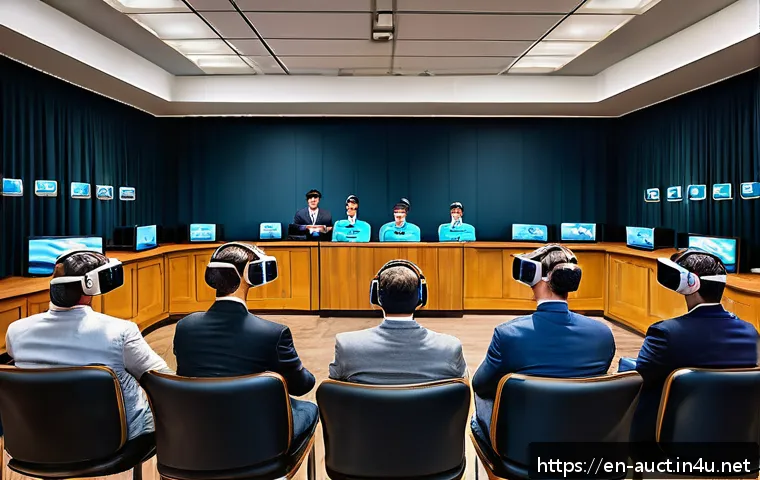
Virtual reality (VR) has stepped into auctioneer training with a bang, offering an immersive experience that textbooks simply can’t match. I tried a VR auction simulator recently, and honestly, it felt like being right in the middle of a bustling auction house.
This tech lets learners practice calling bids, managing crowd dynamics, and reacting to real-time scenarios without the pressure of a live audience. The ability to rewind and review your performance is invaluable, making it easier to identify areas for improvement.
For anyone serious about honing their craft, VR is quickly becoming a game-changer, blending education with hands-on experience in a way that feels natural and engaging.
Interactive Online Courses with Live Feedback
Gone are the days when auctioneer training meant sitting through endless lectures with no interaction. Today’s online courses are highly interactive, often featuring live sessions where instructors provide instant feedback.
I joined one of these courses last year, and the real-time critiques helped me adjust my tone, pace, and clarity almost immediately. These platforms typically incorporate quizzes, peer discussions, and assignments tailored to individual progress, which keeps the learning curve both challenging and motivating.
What’s more, many of these courses are designed by experienced auctioneers, ensuring the content is practical and up to date with current industry standards.
Mobile Apps for On-the-Go Learning
With busy schedules, finding time to attend training sessions can be tough. That’s where mobile apps come in, packing valuable lessons and practice tools right into your pocket.
I’ve found apps that include voice recognition to help perfect chant speed, flashcards for auction terminology, and even mini games that simulate bidding wars.
The convenience of being able to squeeze in a quick practice session during a commute or lunch break is a huge plus. These apps often sync with your progress across devices, allowing continuous learning wherever you are, which helps maintain consistency and builds confidence over time.
Data-Driven Insights Shaping Auctioneer Skills Development
Analytics for Personalized Learning Paths
What blew me away recently was the rise of platforms using data analytics to tailor training specifically to each learner’s strengths and weaknesses. Instead of a one-size-fits-all approach, these systems track your progress, analyze patterns in your bidding speed, clarity, and audience engagement, then suggest targeted exercises.
From my experience, this personalized feedback loop accelerates growth much faster than traditional methods. It feels like having a personal coach who knows exactly where you need to focus your energy, which is especially helpful when preparing for certification or high-stakes auctions.
Performance Metrics That Matter
Beyond just training, understanding key performance indicators (KPIs) has become crucial for auctioneers wanting to stand out. Metrics like bid conversion rates, average sale price uplift, and audience retention times offer insights into how effective a bidder or caller really is.
I’ve started tracking some of these myself during local auctions, and it’s fascinating how small tweaks in delivery can significantly boost results. Training programs now include modules on interpreting these metrics, helping auctioneers make data-backed decisions to refine their techniques and strategies.
Collaborative Platforms Enhancing Peer Learning
Learning from others who share your passion is incredibly motivating. Modern auctioneer education includes collaborative online spaces where learners and professionals exchange tips, critique each other’s performances, and even role-play auction scenarios.
Participating in these forums has been eye-opening for me; hearing different perspectives and approaches helps break out of personal habits that might limit growth.
The sense of community and accountability keeps motivation high and makes the learning journey feel less isolating.
Integrating Communication Mastery into Auctioneer Education
Voice Control and Chanting Techniques
Mastering the auction chant is an art form itself, and recent training trends emphasize voice control techniques more than ever. I found specialized workshops focusing on breath control, pitch modulation, and rhythm to be incredibly helpful in reducing strain and maintaining clarity throughout long auctions.
These sessions often include audio analysis tools that visualize your chant, allowing you to adjust pacing dynamically. This focus on vocal health and expressiveness not only improves endurance but also enhances audience engagement, which can be a real edge in competitive auctions.
Non-Verbal Communication Skills
It’s easy to overlook, but body language and facial expressions play a huge role in auctioneering success. Training programs increasingly incorporate modules on non-verbal cues, teaching auctioneers how to command attention, build trust, and manage crowd energy through posture and gestures.
I noticed that after consciously working on my non-verbal communication, the audience seemed more responsive and bids came in more steadily. This holistic approach to communication ensures that auctioneers don’t just rely on their voice but engage fully with the room’s atmosphere.
Emotional Intelligence for Handling High-Pressure Situations
Auctions can be intense, with fast-paced bidding and unpredictable crowds. The latest educational content includes emotional intelligence (EI) development to help auctioneers stay calm, read the room, and make strategic decisions under pressure.
From my firsthand experience, understanding how to regulate emotions and empathize with bidders has transformed stressful moments into opportunities to steer the auction smoothly.
EI training builds resilience and adaptability, traits that seasoned auctioneers know are essential for long-term success.
Expanding Auctioneer Expertise with Niche Market Focus
Specialized Training for Art and Collectibles
The art and collectibles market demands a unique blend of knowledge, from provenance to valuation nuances. Recent courses focus specifically on these niches, offering deep dives into identifying authentic pieces, understanding market trends, and engaging sophisticated buyers.
I attended a workshop on vintage collectibles that completely shifted how I approach bidding strategies in this arena. Such specialized training not only boosts credibility but also opens doors to higher-value auctions, where expertise is a must-have.
Real Estate Auctioneer Certification Programs
Real estate auctions have surged in popularity, and with that, tailored certification programs have emerged to address the legal and procedural complexities involved.
These programs cover everything from contract law basics to marketing strategies for property auctions. I’ve seen many auctioneers pivot into this lucrative field after completing such certifications, gaining a competitive advantage by blending auctioneering skills with real estate knowledge.
This trend reflects a broader move toward professionalization and specialization within the auction industry.

Expanding into Online and Hybrid Auction Formats
The digital shift in auctions means auctioneers must adapt to new formats that combine live and online bidding. Training now includes modules on managing virtual platforms, engaging remote audiences, and troubleshooting tech issues on the fly.
I experimented with hosting a hybrid auction, and the learning curve was steep but rewarding. Understanding how to maintain energy and interaction when half your audience is behind a screen is a skill that’s quickly becoming essential for modern auctioneers.
Tools and Resources That Make Learning Accessible and Efficient
Comprehensive Resource Libraries
One of the best developments I’ve seen is the growth of centralized resource libraries packed with videos, articles, templates, and case studies. These repositories allow learners to dive deep into specific topics anytime, making it easy to revisit tricky concepts or explore new techniques.
I frequently use these libraries between live sessions to reinforce learning and stay updated on industry news. Having a go-to source for diverse materials saves time and makes self-directed learning far more manageable.
Mentorship and Apprenticeship Networks
Nothing beats learning from someone who’s been through the trenches. Mentorship programs connect novices with experienced auctioneers for guidance, feedback, and career advice.
Joining such a network was a turning point for me; the personalized insights and real-world stories helped me avoid common pitfalls and build confidence faster.
These networks often extend beyond formal training, fostering lifelong professional relationships that support ongoing growth.
Flexible Scheduling and Microlearning Formats
Busy professionals need flexible learning solutions, and microlearning fits perfectly here. Short, focused lessons—often under 10 minutes—cover specific skills or concepts and can be squeezed into hectic days.
I appreciate how these bite-sized modules allow me to learn without feeling overwhelmed or needing large blocks of free time. Many programs combine microlearning with flexible scheduling for live sessions, creating a balanced and sustainable approach to continuous improvement.
| Learning Tool | Key Features | Ideal For | Benefits |
|---|---|---|---|
| Virtual Reality Simulators | Immersive practice, real-time scenarios, performance review | Beginners to advanced learners | Hands-on experience, safe practice environment, immediate feedback |
| Interactive Online Courses | Live feedback, quizzes, peer discussions | All skill levels | Engagement, personalized learning, up-to-date content |
| Mobile Learning Apps | Voice recognition, flashcards, practice games | Busy professionals | Convenience, consistent practice, progress tracking |
| Data Analytics Platforms | Progress tracking, personalized exercises, KPI monitoring | Intermediate to advanced learners | Accelerated growth, targeted improvement, data-driven insights |
| Mentorship Networks | Personalized guidance, career advice, real-world insights | Newcomers and career changers | Confidence building, practical knowledge, networking |
Building Confidence Through Real-World Experience Integration
Mock Auctions and Practice Sessions
There’s nothing quite like jumping into a mock auction to test what you’ve learned. Many training programs now incorporate regular practice sessions that mimic real auctions, complete with live bidders and competitive scenarios.
I’ve found that participating in these simulated events reduces the anxiety that often comes with live auctions. It’s a safe space to make mistakes, try new techniques, and receive constructive criticism.
These sessions help transform theory into muscle memory, making actual auctions feel more natural and less intimidating.
Shadowing Seasoned Auctioneers
Learning by observation remains one of the most effective ways to improve. Shadowing experienced auctioneers offers insight into subtle techniques, crowd reading, and the flow of a successful auction.
I remember tagging along with a top auctioneer for a day and noticing how they managed unexpected disruptions with calm and humor—lessons no textbook could teach.
This hands-on exposure builds intuition and sharpens situational awareness, crucial for thriving in unpredictable auction environments.
Feedback Loops and Continuous Improvement
Finally, the best auctioneer training emphasizes a feedback-rich environment. Receiving regular, honest feedback from instructors, peers, and even clients creates a loop that fuels continuous improvement.
I keep a journal to track comments and reflect on my progress after every auction, which has made a huge difference in identifying persistent challenges and celebrating small wins.
This cycle of practice, feedback, and adjustment is what turns good auctioneers into exceptional ones.
Conclusion
Embracing modern technology and innovative training methods is transforming how auctioneers develop their skills. From immersive virtual reality experiences to data-driven personalized learning, these tools make training more effective and engaging. Incorporating communication mastery and real-world practice ensures auctioneers are confident and prepared for any scenario. As the auction landscape evolves, staying adaptable and continuously learning is key to long-term success.
Helpful Information to Know
1. Virtual reality simulators provide a risk-free environment for auctioneers to practice and refine their skills with instant performance feedback.
2. Interactive online courses offer live instruction and personalized critiques that help learners improve faster and stay motivated.
3. Mobile apps enable convenient, on-the-go training with features like voice recognition and progress tracking to support consistent practice.
4. Data analytics platforms customize learning paths by identifying individual strengths and weaknesses, accelerating skill development.
5. Mentorship programs and collaborative communities foster real-world insights, peer support, and ongoing professional growth.
Key Takeaways
Modern auctioneer training blends technology, personalized learning, and hands-on experience to build confidence and expertise. Leveraging tools like VR, data analytics, and mobile apps enhances skill acquisition while flexible formats accommodate busy schedules. Communication mastery, including vocal and non-verbal techniques, is critical for engaging audiences effectively. Specialized certifications and adapting to online auction formats open new career opportunities. Finally, real-world practice through mock auctions and mentorship solidifies learning and prepares auctioneers for success in dynamic environments.
Frequently Asked Questions (FAQ) 📖
Q: uestionsQ1: What are the most effective learning tools for beginners in auctioneering today?
A: For newcomers, interactive online courses that combine video tutorials with live practice sessions are incredibly effective. Platforms offering simulated auctions allow beginners to experience real-time bidding without financial risk, which builds confidence quickly.
From my own experience, pairing these tools with community forums where you can ask questions and get feedback accelerates learning dramatically. Also, many apps now include AI-driven analytics to help you understand bidding patterns and improve your timing.
Q: How can experienced auctioneers keep their skills sharp amid evolving market trends?
A: Seasoned auctioneers benefit most from continuous education through specialized workshops and advanced training modules that focus on emerging trends like digital auctions and blockchain verification.
Personally, I’ve found attending industry conferences and networking events invaluable for staying updated. Additionally, engaging with cutting-edge software that analyzes bidder behavior and market data helps refine strategies, making your bids smarter and more competitive.
Q: Are online auctioneer education programs worth the investment compared to traditional in-person training?
A: Absolutely, yes—especially in today’s fast-paced environment. Online programs offer flexibility and access to diverse expert instructors that you might not find locally.
From what I’ve seen and experienced, they often provide a richer variety of learning materials, including interactive tools and immediate feedback options.
While in-person training has its benefits for hands-on practice, combining both can yield the best results, allowing you to learn at your own pace while still gaining practical experience.